
Case Statistics and Judicial Data

  • SC Cases (2022): 51,656
  • ST Cases (2022): 9,735
  • Top States (SC):
    • Uttar Pradesh: 12,287 (23.78%)
    • Rajasthan: 8,651 (16.75%)
    • Madhya Pradesh: 7,732 (14.97%)
    • Bihar: 6,799 (13.16%)
    • Odisha: 3,576 (6.93%)
    • Maharashtra: 2,706 (5.24%)
  • Top States (ST):
    • Madhya Pradesh: 2,979 (30.61%)
    • Rajasthan: 2,498 (25.66%)
    • Odisha: 773 (7.94%)
    • Maharashtra: 691 (7.10%)
    • Andhra Pradesh: 499 (5.13%)
  • Charge Sheets: SC - 60.38%, ST - 63.32%
  • Final Reports: SC - 14.78%, ST - 14.71%
  • Pending Investigations: SC - 17,166, ST - 2,702
  • Conviction Rate (2022): Dropped to 32.4% (from 39.2% in 2020)
  • Special Courts: Only 194 of 498 districts have them
  • Protection Cells: Exist in states like AP, Assam, Bihar, TN, Delhi, J&K etc.

Causes of Caste-Based Violence

  • Caste Prejudice & Untouchability: Deep-rooted discrimination based on birth.
  • Land Disputes: SC/STs historically deprived of land ownership.
  • Economic Marginalisation: Limited access to education & jobs increases vulnerability.
  • Power Imbalance: Dominant castes use social/political clout to escape justice.
  • Law Implementation Issues: Poor enforcement, police bias, and systemic delays.
  • Political Exploitation: Leaders use caste tensions for electoral gains.
We're on a mission

In 2019-2020 We Worked Directly With

24000 people

4 in 25 people in India are Dalits

30

K

Volunteers ToTake Action

230

Scholarshipsgiven

STRUGGLE IN TODAY'S WORLD

  • 1. CASTEISM IN EMPLOYMENT
  • The caste system, a deep-rooted social hierarchy in South Asia continues to be a pervasive issue that permeates all aspects of society and culture, including the workplace. 
  • The insidious nature of caste has not just remained confined to India but has been carried across borders by the diaspora. Thus, perpetuating its harmful effects in global workplaces as well, as seen in Cisco caste discrimination case in California and Google cancelling Equality Labs’ executive director Thenmozhi Soundararajan talk on Caste and DEI in April, which was the Dalit History Month.
  • The toxic influence of casteism tends to begin right from the initial step of recruitment, where individuals are evaluated, screened based on the surnames on their resume. The candidates are evaluated not solely on their qualifications, abilities or years of experience but also on their caste affiliations. These pre-screening techniques based on caste are not explicit or done consciously, but these are veiled in implicit biases and are part of systemic caste discrimination. 
  • To understand how caste manifests itself in the recruitment process, we must delve into its historical context, implicit biases, networks, identity politics, corporate culture and the pressing need for change. 
  • 2. A Lived reality
  • Mahesh Raj*, a 29-year-old Dalit professional working within the Human Resources department of one of the top four consulting firms, recently shared his observations with me regarding a glaring oversight in modern-day recruitment practices. While contemporary recruiters undergo training to ensure accommodations for individuals with disabilities, sensitivity to gender diversity, and awareness of ageism bias, there remains a conspicuous absence in discussions and training programs addressing caste-based biases in the hiring process.
  • For context, the caste system traces its origin back over two millennia and has been the cornerstone of social stratification in India. It categorises individuals into hierarchical groups, dictating not only their social standing but also their occupations, access to resources, education and opportunities. 
  • Hence, caste-based discrimination has systematically denied the Dalits (communties listed under Scheduled Castes) and Bahujans (communities listed under Other Backward Classes) access to socio-economic mobility, perpetuating social disparities. And that’s why the ‘merit’ argument does not hold any relevance in a country so reified by the caste system, because the starting point of different caste communities is unequal and different. 
  • While Western corporates have made significant strides in tackling issues like racism, misogyny, and other intersectional struggles stemming from their unique socio-cultural contexts, Indian corporates, in general, have made little to no concerted effort to address the deeply rooted issue of casteism. The problem here is that people refuse to see the elephant in the room, the ignorance can be measured when you often hear terms like ‘caste doesn’t exist’, ‘caste only exists in villages not in metros’. Not only are these seemingly innocuous statements underscore a troubling lack of awareness, it also shows the unwillingness of corporates to confront the uncomfortable presence of caste in their workplaces.
  • 3. Overcoming implicit biases
  • One way implicit bias manifests in hiring is through familiarity and social networks; recruiters may unknowingly favour candidates from their own caste locations or those within their own social circles. The constant rhetoric of finding a ‘cultural fit’ is inherently problematic. The complex issue of caste bias became very clear during my chat with Amrita Patil, a lively marketing person from an oppressed caste background. She had recently joined a well-known marketing company in Mumbai, where most employees were from privileged caste backgrounds. Amrita*, who had a strong educational and creative background, was hopeful about doing well in her new job. However, with time, she noticed  her boss seemed to favour her colleague Vikram, who came from a privileged caste and a reputable school often associated with his caste. Vikram was often praised for his smooth talk and friendly client meetings, even though his ideas lacked freshness and deep analysis, which appeared to be overlooked because of his caste location.
  • 4. The subtle manifestations hit harder
  • Aditi Singh*, a software engineer at a multinational tech firm, mentions that while caste isn't always explicitly recognised, its subtle yet persistent manifestations are undeniable. In our dialogues, she shared an intriguing observation regarding her surname, which doesn't distinctly disclose her caste origins from Bihar. During casual lunch breaks and team gatherings, Aditi found herself fielding many inquiries from colleagues keen on knowing her caste, a phenomenon she termed as 'caste anxiety'.
  • Despite her exemplary track record and technical skills, Aditi found herself continually overlooked for challenging assignments and client-centric roles, while her privileged-caste colleagues seemingly advanced effortlessly. The situation came to a head during an annual performance appraisal, where her manager, under the vague pretexts of "cultural fit" and "team dynamics," advised her to "enhance her interpersonal skills" for further advancement. The feedback was a stark departure from the accolades and promotions bestowed upon her privileged-caste peers, whose interpersonal skills were comparable or even inferior to hers.
  • 5. Overcoming implicit biases
  • One way implicit bias manifests in hiring is through familiarity and social networks; recruiters may unknowingly favour candidates from their own caste locations or those within their own social circles. The constant rhetoric of finding a ‘cultural fit’ is inherently problematic.
  • 6. The role companies can play
  • Addressing casteism in recruitment necessitates a blend of acknowledgment and actionable strategies. The preliminary step is recognising the prevalence of caste discrimination and understanding its ramifications on workplace diversity and inclusivity. Companies should introduce regular diversity and inclusion training to sensitise employees and recruiters about caste biases and their adverse impacts on organisational culture and performance. Implementing anonymous recruitment processes, where personal details that might reveal caste are omitted, can also significantly reduce biases during the recruitment process.  Implementing affirmative action policies lays down a structured pathway for ensuring fair representation of oppressed castes in the workforce. Esteemed organisations like Tata have already showcased the successful testament of this initiative, setting a viable precedent for others to follow.
  • HELP US BY DONATION

    Join Upcoming Event

    31

    Dec
    Vasant Vihar Metro Station , Gate no 3.
    https://maps.app.goo.gl/zGWDUmMaUxcQyWxs5?g_st=ic

    Wishing everyone Happy New Year in advance!

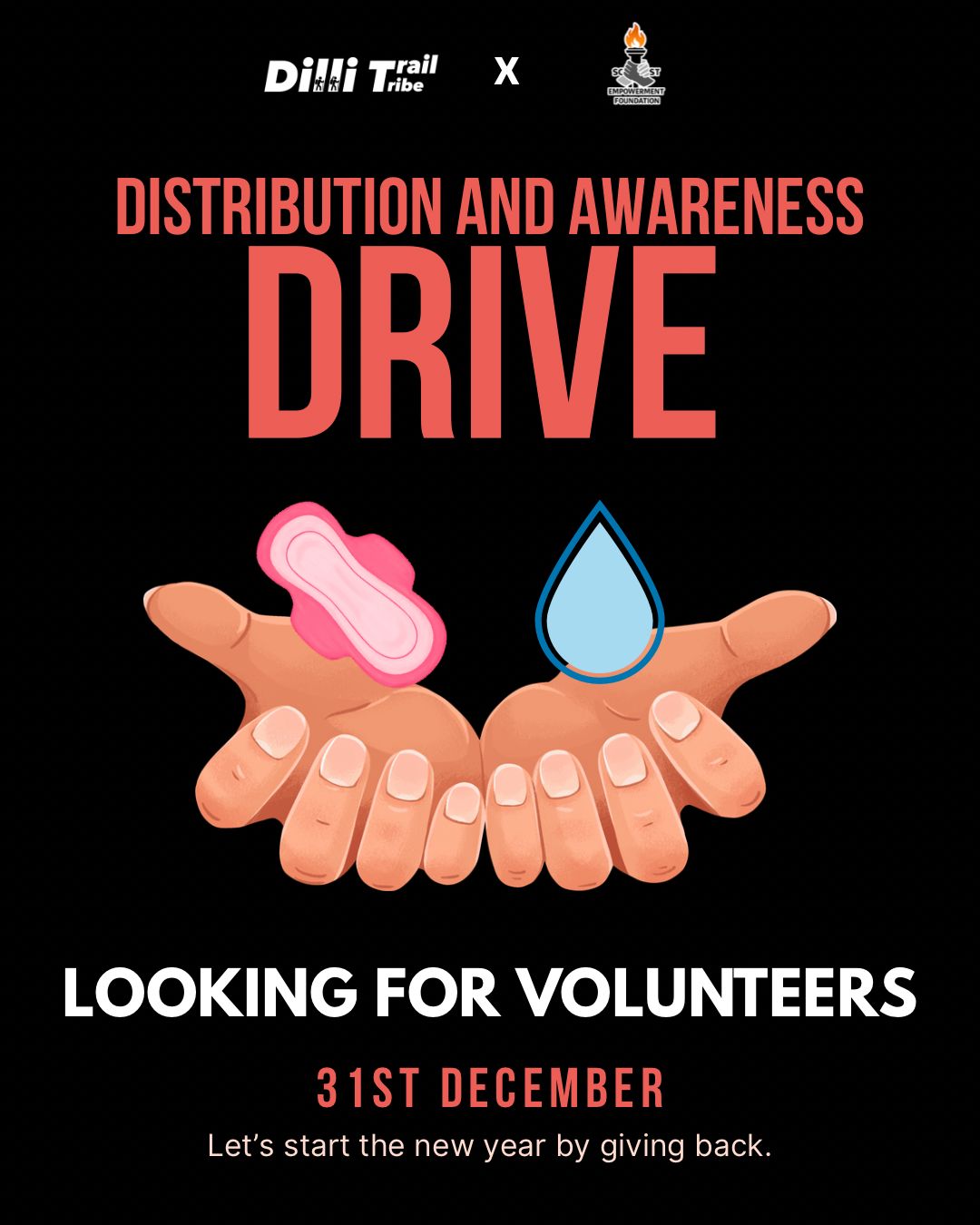
    While we are fortunate enough that we can celebrate the new year with our loved ones with comfort and joy. There are communities around us that still struggle to access even basic necessities. Volunteers will be provided: Mask Gloves Snacks So,on 31st December, we are organizing a distribution drive to provide sanitary pads and to spread awareness to those in need. We’re inviting volunteers to join us and help make a meaningful difference. We Would request more females to volunteer..

    01:00 PM - 04:00 PM

    HELP US BY DONATION

    More Ways To Support Us

    Give Online

    Fundraise

    Join Event

    Buy Merch

    HELP US BY DONATION

    Every young person deserves a Good life

    Become Volunteer
    GET YOUR TEAM WORKING

    Volunteer with us

    Being a Samaritan means being there for people who need someone to listen. Last year over 20,000 people volunteered their time with us.

    More about volunteering

    ©2025 Foscast. All Rights Reserved.